Commercial Gliders
Slocum
Developed by Teledyne Webb, Slocum gliders have very professional-looking and robust hardware, especially in the latest G3 generation. Thanks to the number of units sold and their strong position in the U.S. market, the design has had time to mature. However, the software side is a mess, with issues sometimes appearing to be patched rather than solved at the root. They are excellent for shallow coastal operations, but less efficient (at least compared to Seagliders) for long-endurance open-ocean deployments. If you are operating in a coastal environment with strong currents, I would definitely recommend their shallow glider, especially with the optional thruster. Slocum is named after Joshua Slocum, the first person to sail single-handedly around the world. His three-year circumnavigation, including all the time spent in port, worked out to a leisurely average pace, not too far off the cruising speed of these gliders.
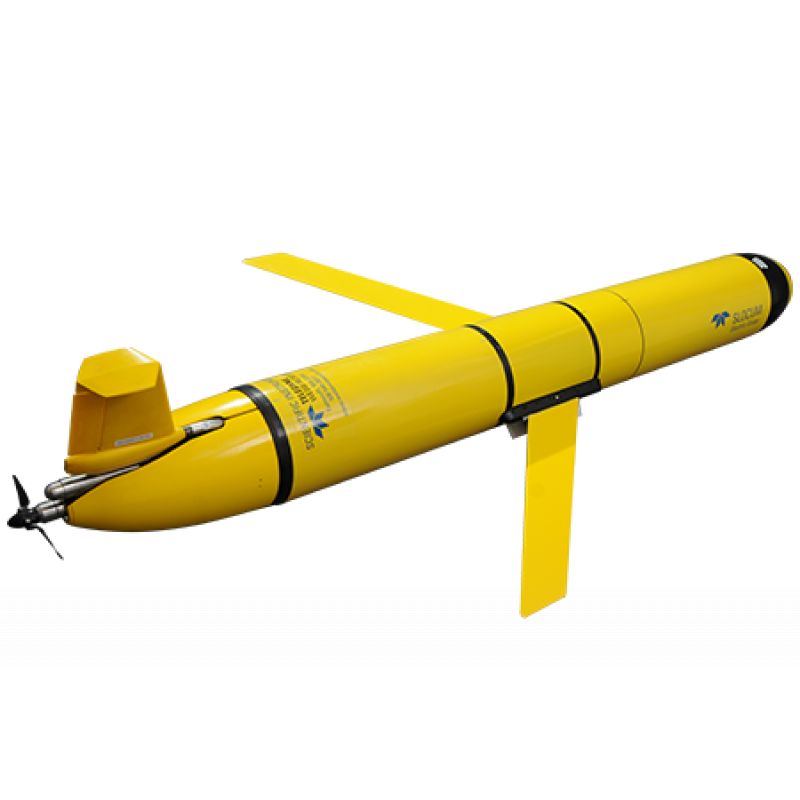
Their new glider is called Sentinel, and it is massive. It is no longer operable by two people, but it supposedly offers great endurance and payload capacity.

SeaExplorer
This is a polished product with a sleek user interface. It was developed by Alseamar, a large French company in the subsea domain, many years after the original three gliders, so they had plenty of time to learn from earlier designs. They sell a substantial number of units, supported by a strong marketing strategy and decent customer service. However, so far I have not had the chance to work with these, so most of the information presented here is based on Seaglider and Slocum, which I have personally worked with.
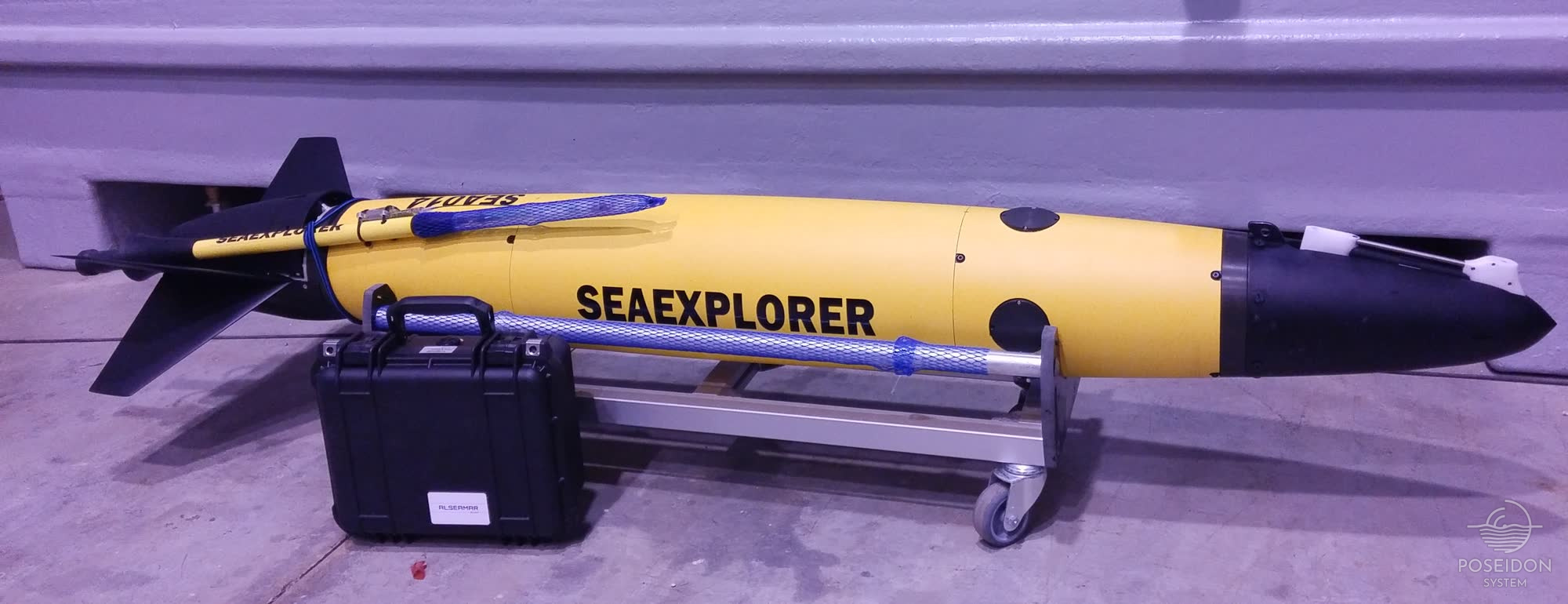
An interesting fact about their design is that the short wings apparently make it possible for these gliders to be launched from torpedo tubes.
Seaglider
Developed by APL at the University of Washington, Seaglider has, since its development, been used primarily by the UW team, which also operates the largest Seaglider fleet. Development is still happening at UW. They have consistently prioritized high-quality scientific data together with outstanding efficiency. Their saying is “half a knot on half a watt”, and as a long-time user I can testify to that. Based on my experience with other gliders and the numbers I have seen, I doubt any other glider comes close. One example of efficiency being a core design goal is the signature isopycnal hull. The idea is that this design has the same compressibility factor as seawater, so the glider keeps the same density difference relative to the surrounding water as it descends or ascends. As a result, there is no need for buoyancy adjustments to maintain a constant vertical speed. This makes the design about 10% more efficient than a simple cylindrical hull. Another advantage of Seaglider over the other gliders is that the software is very robust and well written. What Seaglider lacked, and still lacks today, is a proper commercial structure to develop and market it more broadly, but that was never the primary goal. If you need a reliable deep glider with great performance, and you want to get nerdy with your glider operation, then this is a strong option.

They have recently released a new version of their glider called SGX, which offers 60% more endurance along with a number of other improvements.
Oceanscout
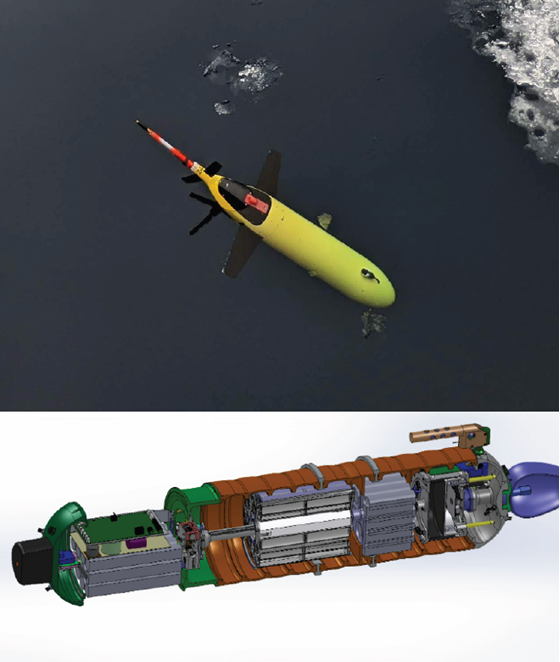
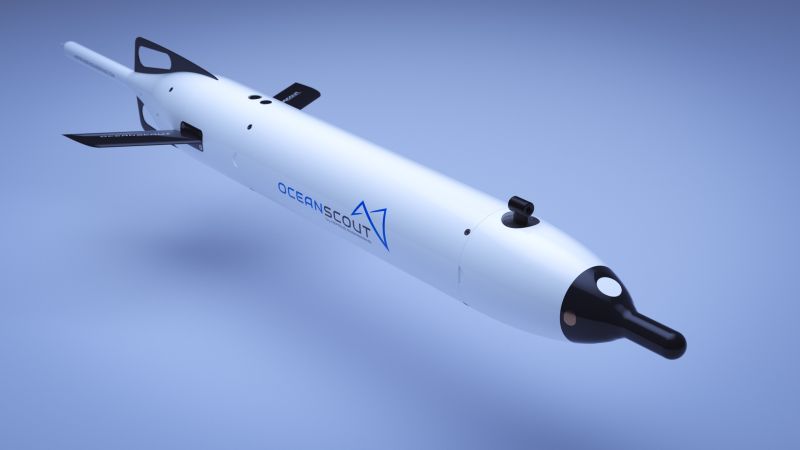
Developed by Hefring Engineering, in partnership with Nortek, the dominant player in the ADCP market. So far, they appear to be focusing on basic physical oceanography and passive acoustics. It is a small-form-factor glider, so it is quite a bit cheaper and can be deployed by one person. It also seems to be extremely easy to use and pilot, although that may come at the cost of flexibility. They have an interesting design in which the glider flips 180 degrees and climbs upside down to invert the lift vector and maintain a constant glide angle.
Petrel
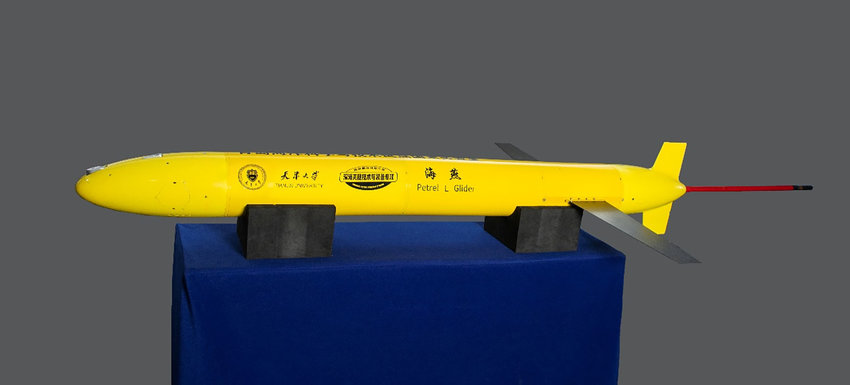
A glider developed by Tianjin University in China. While much of the glider community has been trying to create a reliable deep glider that can at least dive to 2000 m, this team has recently built a glider capable of reaching the Mariana Trench. From what I gathered, it went down to 10,000 m simply because they could not target the trench precisely, which is pretty impressive.
Spray
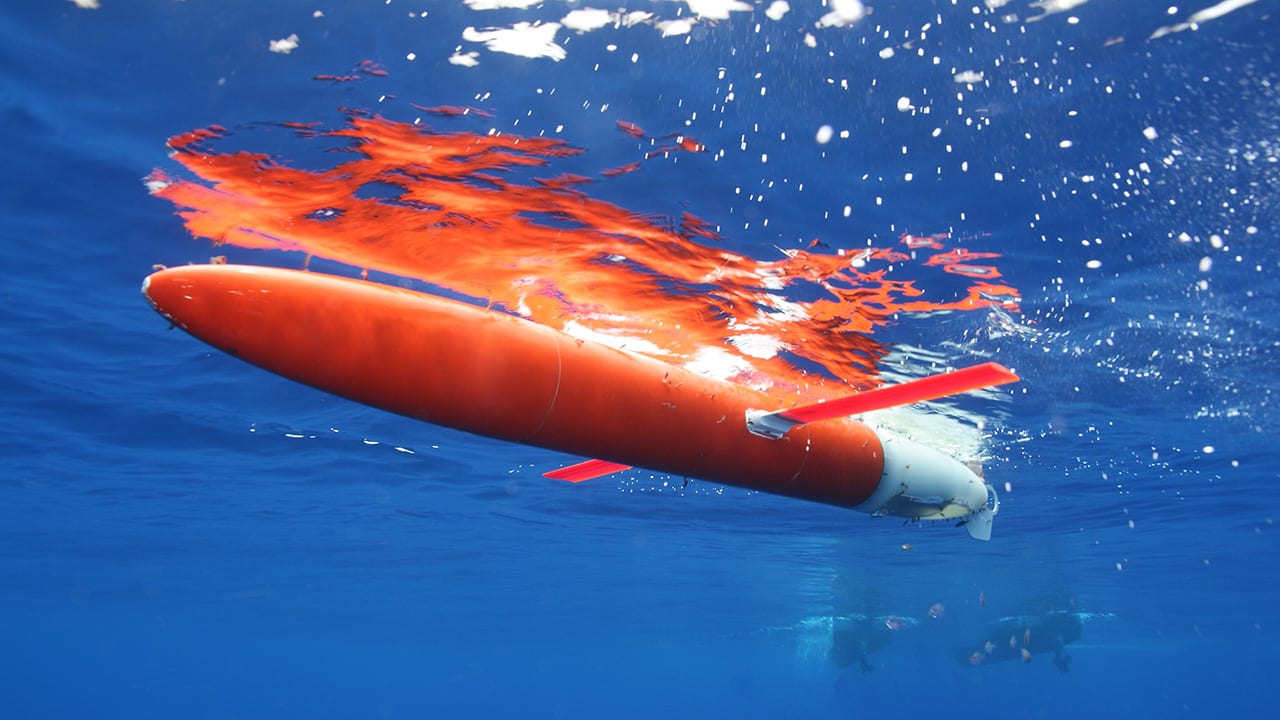
Developed jointly by Scripps and WHOI, Spray was one of the original three gliders and was licensed to Bluefin Robotics. An interesting feature of Spray is that its antenna is situated in the wing, so when it reaches the surface it rolls to one side to lift the wing out of the water and initiate a call, which is a neat touch.
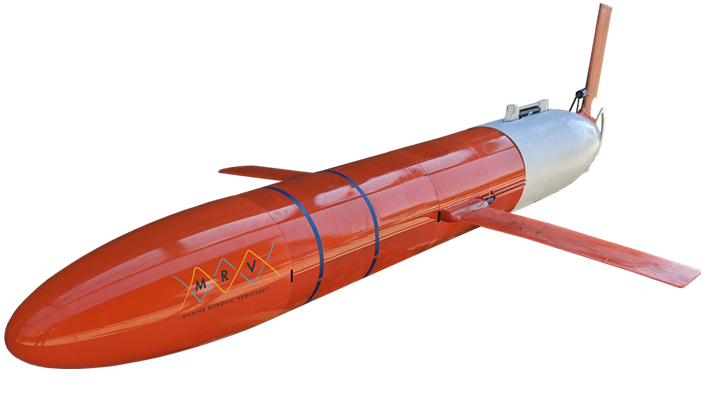
The new version of this glider, called Spray2, has gone through a number of upgrades and is being commercialized by MRV, which has now been acquired by General Oceans. That means they now officially own both OceanScout and Spray2, so it will be interesting to see what they decide to do with these two gliders.
MOD2
Exocetus is a relatively new glider company based in Connecticut. According to their datasheet, the buoyancy engine is five times larger than that of other gliders, which I assume means it is around 5 L, which is impressive. The obvious downside is higher power consumption, and that seems to show up in the quoted endurance of 30 days on primary batteries.
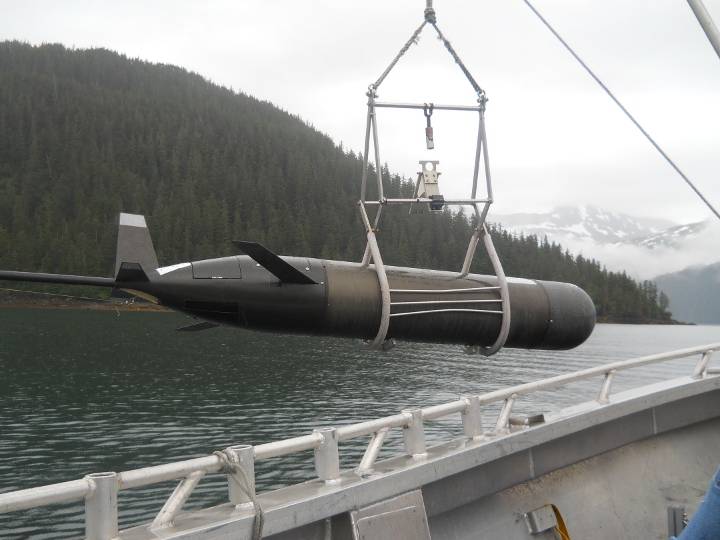
SG-1-Lura
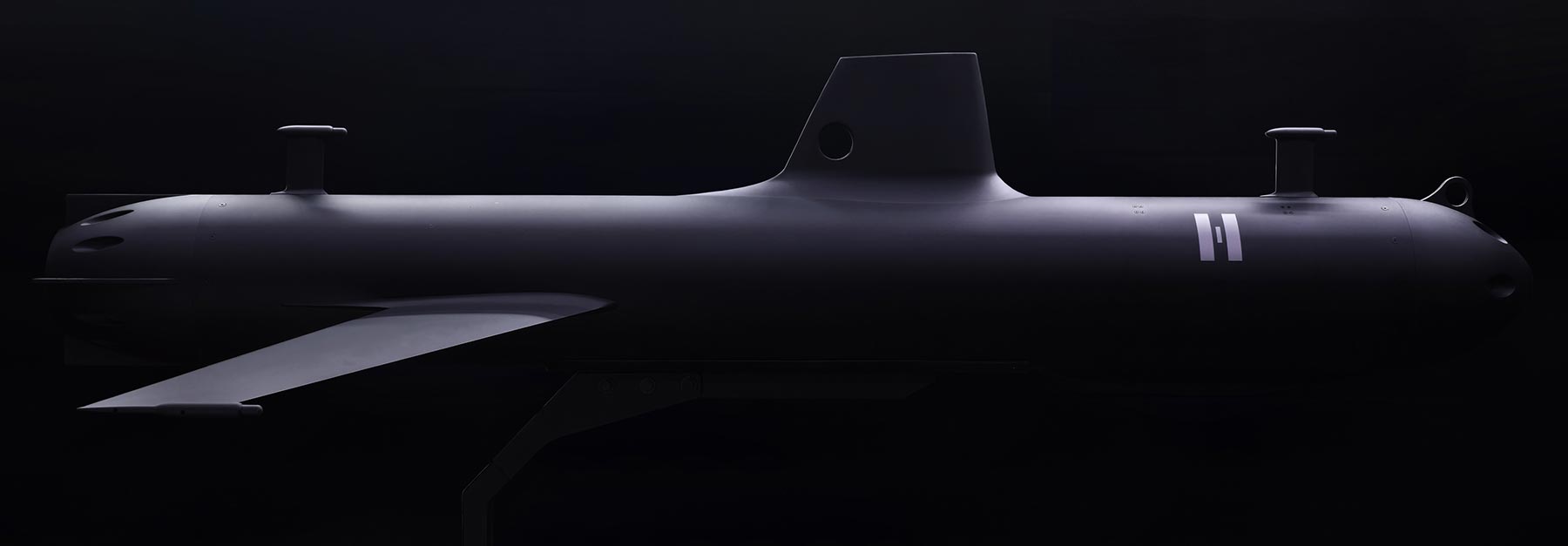
This is being developed by Helsing, a German company, and they are clearly targeting the military market. It is not yet very clear how operational these systems are, but they are worth keeping an eye on.